Understanding the Full Scope of Fire and Smoke Damage
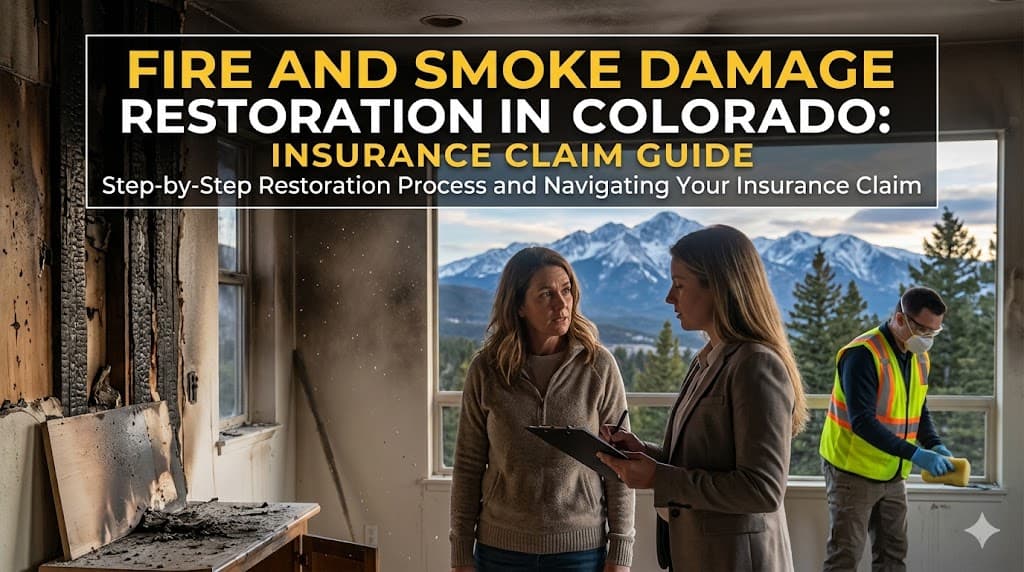
A property fire creates damage that goes far beyond what flames directly touch. Heat warps and weakens structural materials. Smoke migrates through every opening, ductwork path, and wall cavity in the building. Soot deposits coat surfaces with acidic residue that continues corroding finishes and metals long after the fire is out. Water used during suppression adds another layer of damage to floors, walls, and contents below the fire origin. A thorough fire damage restoration plan must address all four damage types: flame, heat, smoke, and water. Focusing only on the visible burn area leaves hidden damage that causes odor, deterioration, and health concerns for months afterward.
Phase 1: Emergency Stabilization and Safety
The first phase of any fire restoration project is stabilization. The structure is secured by boarding up broken windows, tarping damaged roofing, and fencing the property if needed. The restoration team works with the fire department and building officials to confirm when the structure is safe to enter. Hazardous materials, including melted plastics, asbestos-containing materials in older homes, and compromised electrical systems, are identified and isolated before interior work begins. This phase protects both occupants and the restoration crew, and it prevents additional damage from weather exposure, theft, or unauthorized entry. If you have experienced a fire, our emergency services team can begin stabilization immediately, day or night.
Phase 2: Damage Assessment and Insurance Documentation
Before any cleanup starts, the entire property needs to be assessed and documented. This includes photographing and cataloging every room, surface, and content item affected by fire, smoke, soot, and water. The documentation serves two purposes: it gives the restoration team a clear scope of work, and it gives the insurance adjuster the evidence needed to approve covered repairs. Strong initial documentation is one of the most important factors in reducing claim delays and disputes. Record the condition of structural elements, HVAC systems, plumbing, electrical, flooring, cabinetry, and personal contents. Keep every receipt from emergency expenses, temporary housing, replacement necessities, and interim repairs.
Phase 3: Soot and Smoke Residue Removal
Soot and smoke residue are chemically active. If left on surfaces, they etch into glass, corrode metals, yellow painted walls, and permanently stain soft materials like fabric and carpet. Removal must happen quickly and must use the right methods for each material type. Drywall, wood framing, concrete, tile, stone, metal ductwork, and fabric all require different cleaning chemistry and techniques. Dry soot is cleaned differently from oily, protein-based residue left by kitchen fires. Wet cleaning methods used incorrectly can spread soot deeper into porous materials and make the damage worse. Professional crews trained in fire restoration understand these distinctions and match the method to the material.
Phase 4: Odor Elimination
Smoke odor is one of the most persistent challenges after a fire. The smell penetrates deep into insulation, framing cavities, carpet padding, upholstery, clothing, and HVAC ductwork. Surface cleaning alone does not resolve it. Effective deodorization requires removing the odor at its source. Professional techniques include thermal fogging, which uses heat-activated deodorant particles that penetrate the same paths smoke traveled, and hydroxyl generators, which break down odor molecules at the chemical level without harmful byproducts. In severe cases, ozone treatment may be used in unoccupied spaces. A restoration company experienced in fire and smoke damage knows which combination of methods to use based on the fire type, materials involved, and severity of penetration.
Phase 5: Contents Recovery and Pack-Out
Personal belongings, furniture, electronics, documents, and clothing are often salvageable after a fire, even when homeowners assume they are total losses. Professional contents restoration begins with detailed inventory and categorization. Items are sorted into salvageable, restorable, and non-salvageable groups. Restorable contents are packed out, transported to a controlled cleaning facility, and processed using material-specific methods. Electronics are assessed for internal soot contamination. Documents and photographs can be freeze-dried and restored. Textiles are laundered with specialized chemistry. Furniture is cleaned, deodorized, and refinished as needed. Early contents triage significantly reduces replacement costs and helps families recover meaningful personal items they might otherwise lose.
Phase 6: Structural Repairs and Reconstruction
Once cleaning and deodorization are complete, damaged materials beyond salvage are removed and replaced. This may include drywall, insulation, framing members, flooring, cabinetry, trim, and roofing components. A full-service restoration company coordinates demolition, material procurement, and rebuild under a single scope so the homeowner is not managing multiple contractors independently. Throughout reconstruction, the team documents each phase of work for the insurance file, including photos of hidden damage discovered behind walls and under floors that was not visible during the initial assessment. Supplemental claims for hidden damage are common and expected in fire losses.
Working With Your Insurance Company After a Fire
Colorado homeowners insurance policies typically cover fire damage, including direct flame damage, smoke and soot damage, water damage from firefighting, additional living expenses during displacement, and contents replacement or restoration. However, the claims process requires diligence from the homeowner. Report the loss to your insurer immediately. Understand whether your policy provides Actual Cash Value or Replacement Cost Value coverage, as this affects your settlement. Actual Cash Value factors in depreciation, while Replacement Cost Value covers the full cost of replacing items at today's prices. Keep detailed records of all communications with your adjuster. Work with a restoration company that provides thorough documentation and can write supplemental estimates when hidden damage is found during the project.
Common Mistakes That Hurt Fire Insurance Claims
Several common mistakes can reduce your insurance settlement or delay your claim. Disposing of damaged items before the adjuster inspects them removes evidence of loss. Failing to document pre-loss condition makes it harder to prove the extent of damage. Waiting too long to report the loss or begin mitigation can give the insurer grounds to deny portions of the claim. Accepting the first estimate without reviewing it against the actual scope of damage often results in underpayment. Having your restoration contractor provide a detailed, line-item estimate and supporting documentation strengthens your position significantly.
How CC Restoration Supports Colorado Fire Loss Recovery
At CC Restoration, we handle every phase of fire and smoke damage restoration for homes and businesses across Colorado. From emergency board-up and stabilization through soot removal, deodorization, contents pack-out, and full structural rebuild, our team manages the entire process. We provide detailed documentation that supports your insurance claim at every stage, including supplemental estimates for hidden damage. We coordinate directly with adjusters and work to keep the project on schedule so you can return to safe, clean living conditions as quickly as possible.
If your property has been affected by fire or smoke, contact us now for a fast assessment. We serve Colorado Springs, Denver, Pueblo, Boulder, Fort Collins, Aurora, and communities throughout the Front Range and across the state.